Tap, Tap, Unfollow: The Quietly Satisfying Epidemic of Dropping Celebrities Like a Bad Habit
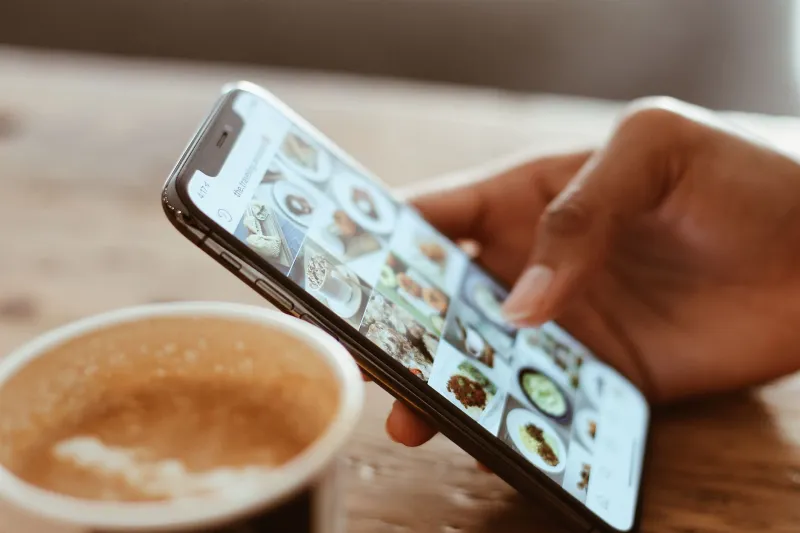
There's a specific kind of pleasure that lives somewhere between eating a cold slice of leftover pizza and finally cleaning out your email inbox. It's the pleasure of tapping Unfollow on a celebrity you once would have defended with your entire chest at a family dinner. One tap. Gone. And somehow, your whole body relaxes.
If you've been doing this lately — quietly, almost ritualistically purging famous faces from your Instagram feed — you're not alone. Not even a little bit. The Great Unfollow is happening in real time, and it says something genuinely interesting about where we are with fame, social media, and our own increasingly limited patience for people who post sponsored content about alkaline water.
We Built the Parasocial Relationship, and Now We're Burning It Down
For the uninitiated, a parasocial relationship is that one-sided emotional bond you form with someone who doesn't know you exist. Your favorite celebrity. A podcast host. That one YouTuber who made you feel seen during the pandemic. You feel like you know them. You root for them. You get weirdly defensive when someone criticizes their haircut.
For a long time, Instagram was the engine that powered this whole bizarre dynamic. Following a celebrity meant front-row access to their morning smoothies, their sunset vacations, their surprisingly normal-looking living rooms. It felt intimate. It felt real. It felt like friendship, if friendship required one party to never acknowledge the other's existence.
But something shifted. Maybe it was gradual. Maybe it was sudden. Either way, somewhere between the fifteenth "use code CELEB20 for 20% off" caption and the fourth charity auction post that nobody asked about, the illusion cracked. And once it cracks, it's very hard to un-crack.
The Algorithm Didn't Help
Here's the thing Instagram doesn't want you to think about too hard: you were never really "following" your favorite celebrities in any meaningful sense. You were consuming content that an algorithm decided was worth surfacing at that particular moment, sandwiched between a Reel of someone's dog doing something stupid and an ad for a mattress you looked at once.
The more Instagram leaned into its recommendation engine — showing you content from people you don't follow rather than the ones you do — the more it accidentally exposed its own absurdity. If the algorithm was going to show you random celebrity content anyway, what exactly was the follow for? It became decorative. A loyalty badge with no actual perks.
When following stops feeling like access and starts feeling like paperwork, people start cleaning house.
What Changed: Them, Us, or Both?
This is where it gets genuinely complicated, and also a little uncomfortable. Because the honest answer is: both.
Celebrities, as a class of human, have gotten increasingly difficult to root for in the Instagram era. The platform rewards a very specific kind of performance — aspirational but relatable, glamorous but down-to-earth, wealthy but somehow also just like us. It's an exhausting tightrope, and most of them fall off it eventually. Either they lean too hard into the luxury and start feeling alien, or they overcorrect into performed humility that reads as deeply fake.
Remember when a certain A-lister posted a bathtub "solidarity" video during a global crisis? Or when half of Hollywood decided to share their "simple home cooking" content from kitchens the size of a Whole Foods? Yeah. We remember too.
But we also changed. Somewhere along the way, a critical mass of people — particularly millennials and Gen Z — developed what you might call celebrity fatigue with a side of awareness. We got better at recognizing the machinery behind the magic. Stylists. Lighting teams. PR strategies dressed up as personality. The curtain didn't just get pulled back; it got ripped off and set on fire on Twitter.
Once you see the scaffolding, the building stops looking impressive.
The Unfollow as a Form of Self-Care (No, Really)
Here's where it gets almost philosophical. The act of unfollowing a celebrity isn't just passive disengagement — for a lot of people, it feels active. Intentional. Even a little bit powerful.
You spent years absorbing carefully curated images of someone else's life. Their body. Their house. Their relationship. Their abs. And whether you consciously registered it or not, that content was quietly doing something to your brain — setting benchmarks, manufacturing inadequacy, making your perfectly reasonable Tuesday feel like a failure by comparison.
Hitting Unfollow is, in a small but real way, opting out of that. It's saying: I don't need this particular input anymore. It's the digital equivalent of canceling a subscription you forgot you had and then feeling inexplicably lighter.
Therapists have been saying for years that curating your social media feed is a legitimate mental health practice. It just took most of us about a decade to actually do it.
The New Follow Economy
What's replacing the celebrity follow isn't nothing — it's just different. Smaller. More niche. More weird. People are swapping out Kardashian content for accounts dedicated to competitive birdwatching, regional hot sauce reviews, and extremely specific historical facts. They're following creators who make things with their hands, or who talk about their anxiety without a brand deal attached.
The internet calls this the "de-influencing" era, and while that term is already slightly overused, the underlying impulse is real. People want to follow people they'd actually want to grab coffee with — or at minimum, people who feel like they exist in the same zip code of reality.
Celebrities, for all their reach, have increasingly failed that vibe check.
One Tap at a Time
So the next time you find yourself hovering over that Unfollow button — maybe on someone you've followed since 2013, someone whose wedding you watched unfold through Instagram Stories like a reality show you didn't ask to be invested in — just know: you're not being cruel. You're not canceling anyone. You're just quietly, finally, admitting that the friendship was never real.
And that's okay. Actually, it's better than okay.
It's one tap. And you already feel lighter.